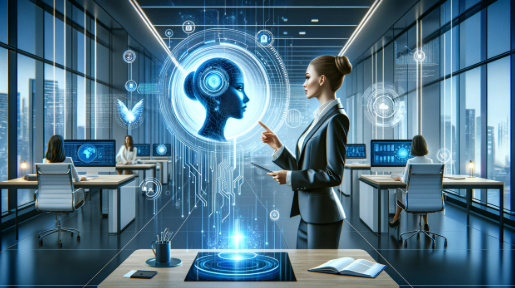
Adaptive Learning Technology

Adaptive learning technology is reshaping the educational landscape by personalizing learning experiences. It employs sophisticated algorithms to analyze student interactions, thereby tailoring content to individual needs. This approach not only enhances engagement but also promotes a sense of ownership in learners. As the technology continues to evolve, understanding its core components and potential future trends becomes crucial. What implications might these developments hold for educators and learners alike?
The Basics of Adaptive Learning Technology
Adaptive learning technology represents a fundamental shift in educational methodologies, focusing on the personalization of learning experiences to meet individual student needs.
By leveraging adaptive algorithms, these systems analyze learner interactions and tailor content accordingly. This innovative approach enhances learner engagement, fostering a collaborative environment where students can thrive.
Ultimately, such technology empowers individuals, allowing them to navigate their educational journeys with greater autonomy and freedom.
Benefits of Personalized Learning Experiences
Personalized learning experiences offer a multitude of advantages that significantly enhance educational outcomes.
By providing customized pathways tailored to individual needs, learners engage more deeply with content. This tailored approach not only fosters motivation but also empowers students to take ownership of their learning journeys.
Consequently, the integration of engaging content within these experiences leads to improved comprehension and retention, ultimately transforming the educational landscape.
Key Components of Adaptive Learning Systems
Effective adaptive learning systems are characterized by several key components that work synergistically to create a responsive educational environment.
Central to this framework are robust data analytics and continuous user feedback, which inform personalized learning pathways.
See also: 3D Printing in Medicine
Future Trends in Adaptive Learning Technology
Emerging trends in adaptive learning technology are poised to revolutionize the educational landscape, driven by advancements in artificial intelligence and machine learning.
Future developments focus on enhancing learner engagement through personalized pathways and real-time feedback.
Collaborative platforms will further empower educators and learners alike, fostering an environment where autonomy is paramount, and tailored experiences lead to profound educational outcomes and increased retention.
Conclusion
In conclusion, adaptive learning technology stands at the forefront of educational evolution, promising to transform the learning landscape into an unparalleled realm of personalized experiences. By harnessing data-driven insights, it not only enhances student engagement but also cultivates a collaborative environment where learners are empowered to thrive. As advancements in artificial intelligence continue to unfold, the potential for adaptive learning to revolutionize education is akin to opening the floodgates of knowledge, reshaping the future of learning for generations to come.